分类 Semaglutide api 下的文章

Core differences in the GLP-1 diet among different populations:
Diabetics emphasize "sugar stabilization + hypoglycemia prevention", and weight loss people emphasize "calorie control + nutritional balance", but they all need to be based on high-protein, high-fiber, and low-glycemic index foods, with regular meals and moderate exercise.
Diabetic patients (especially GLP-1 drugs)

  1. Priority goal: stabilize blood sugar and avoid hypoglycemia
    Staple foods are mainly whole grains and miscellaneous legumes, such as brown rice, oats, quinoa, chickpeas, etc., and avoid refined carbohydrates such as white rice, white bread, and white noodles.
    Pair each meal with plenty of vegetables and high-quality protein (fish, eggs, soy products, lean meat) to delay the rise in blood sugar.
    Avoid high-sugar foods such as sugary drinks, desserts, and fruit juices, choose low-GI varieties (such as apples, pears, strawberries), and control portion sizes.
    If insulin or sulfonylureas are used, the dosage should be adjusted under the guidance of a doctor to avoid hypoglycemia caused by GLP-1 drugs + dietary control.
  2. Meal rhythm and monitoring
    Eat three meals regularly, add meals if necessary (such as a small serving of nuts, yogurt), and avoid prolonged fasting.
    Monitor blood sugar regularly and record changes in diet and blood sugar to facilitate doctors to adjust medication and diet plans.
    People who are simply losing weight (without diabetes)
  3. Priority goal: calorie control + nutritional balance
    On the basis of the GLP-1 diet, the total calories should be appropriately reduced, but excessive dieting should not be done to avoid muscle loss and metabolic decline.
    Ensure that each meal contains protein (such as chicken breast, fish, tofu, eggs) and plenty of vegetables to increase satiety.
    Control fats and refined carbohydrates (fried foods, desserts, sugary drinks), but you don't have to cut out staple foods altogether, opt for whole grains and potatoes.
    Avoid "extreme diets" (such as not eating staple foods at all, eating only fruits, etc.) to avoid nutritional imbalance.
  4. Exercise and lifestyle habits
    Combining aerobic exercise (brisk walking, swimming, cycling) and strength training helps maintain muscle mass and basal metabolism.
    Ensuring adequate sleep and hydration reduces stress, aiding in hormone balance and weight management.
  5. Common principles of the two types of people
    Food choices: Mainly high-protein, high-fiber, low-glycemic index foods, such as vegetables, legumes, whole grains, lean meats, fish, eggs, dairy products.
    Meal order: Eat vegetables/protein first, then staple foods, which can help improve satiety and blood sugar stability.
    Processed foods: Reduce or avoid high-sugar, high-fat, and highly processed foods (such as crackers, potato chips, sausages, instant noodles).
    Individualized adjustments:
    If you have comorbidities such as kidney disease, high uric acid, and high blood pressure, you need to adjust your protein and salt intake under the guidance of a doctor or dietitian.
    If you are using GLP-1 drugs, be sure to follow the doctor's advice and regularly review liver and kidney function, blood lipids and other indicators.
    Special Reminder:
    The above is a general dietary recommendation, and the specific plan needs to be combined with personal health conditions, medication, weight goals and other factors, and an individualized plan is formulated by a doctor or dietitian, and it is not recommended to use GLP-1 drugs or extreme diets for a long time.
In addition to diet, regular exercise, adequate sleep, stress management, smoking cessation and alcohol restriction can all help increase GLP-1 levels and improve blood sugar and weight control.
1. Exercise: Aerobic + strength training has the best effect
Aerobic exercise: brisk walking, jogging, swimming, cycling, etc., at least 150 minutes of moderate intensity or 75 minutes of high intensity per week, can significantly increase GLP-1 secretion and improve insulin sensitivity.
Strength training: 2–3 times a week, such as squats, push-ups, dumbbell lifts, etc., to increase muscle mass and help stabilize blood sugar and GLP-1 levels in the long term.
Walking after meals: Walking for 10–15 minutes 30 minutes after meals can promote GLP-1 release and help control blood sugar after meals.
2. Sleep: Ensure 7-9 hours of high-quality sleep
Lack of sleep or poor quality can reduce GLP-1 secretion and increase ghrelin levels, leading to increased appetite and a desire to eat high-sugar and high-fat foods.
It is recommended to set a regular schedule, avoid blue light devices before going to bed, and keep the bedroom dark and quiet, which can help improve sleep quality.
3. Stress management: reduce the interference of cortisol on GLP-1
Long-term stress can raise cortisol, inhibit GLP-1 secretion, increase abdominal fat accumulation and blood sugar fluctuations.
Relax through meditation, deep breathing, yoga, listening to music, etc., and set aside 10–15 minutes of stress reduction time each day.
4. Quit smoking and limit alcohol to avoid interfering with hormone balance
Quit smoking: Smoking lowers GLP-1 levels, increasing insulin resistance and cardiovascular risk.
Alcohol limit: Excessive alcohol can interfere with blood sugar and GLP-1 secretion, and it is recommended that no more than 2 standard glasses per day for men and 1 standard glass (1 standard glass ≈ 14g of pure alcohol) for women.
5. Comprehensive suggestions
Combining exercise, sleep, stress reduction, and healthy eating can be far more effective than a single change.
If you are using GLP-1 drugs, it is recommended to adjust your lifestyle under the guidance of a doctor to avoid risks such as hypoglycemia.
The above is general health advice, if you have underlying diseases such as diabetes and obesity, please refer to the specific plan of clinicians and dietitians.

GLP-1 friendly food refers to a type of food that can promote GLP-1 secretion in the body, help control sugar, and increase satiety. It mainly includes high protein, high fiber, healthy fat, and calcium rich foods, while avoiding high sugar, high-fat, and overly processed foods.
1. Recommended food categories
High-quality protein
Lean meats, fish and shrimp, eggs, dairy products, soy products, legumes and nuts, etc., can significantly promote GLP-1 release and enhance satiety.
High-fiber vegetables
Asparagus, broccoli, artichokes, celery, etc., eating vegetables first before eating staple foods can help increase postprandial GLP-1 levels and stabilize blood sugar.
Healthy fats
Deep-sea fish such as olive oil, avocados, nuts, chia seeds, flaxseeds, and salmon can increase GLP-1 secretion while improving blood lipids and metabolism.
Dairy
Milk, yogurt, cheese, etc. are rich in calcium, and studies have shown that a high-calcium breakfast can significantly increase GLP-1 levels and prolong satiety.
Whole grains and legumes
Oats, rye, lentils, chickpeas, etc., rich in dietary fiber and resistant starch, contribute to gut health and support GLP-1 secretion.
Fermented foods
Fermented foods such as miso, kimchi, and natto help improve intestinal flora and indirectly support the secretion of GLP-1-related hormones.
2. Foods that should be reduced or avoided
High-sugar foods such as sugary drinks, candies, and biscuits can quickly raise blood sugar and are not conducive to GLP-1 secretion.
Fried foods, pastries, processed meat products, etc. contain trans fats and refined carbohydrates, which can interfere with GLP-1 secretion and blood sugar stability.
Excessive alcohol can disrupt blood sugar and GLP-1 levels, and it is recommended to limit intake.
3. Eating tips
Adjust the eating order: Eat vegetables and protein first, and then staple foods, which can help enhance GLP-1 secretion and blood sugar control.
Eat regular meals and eat small and frequent meals: Avoid prolonged fasting to help stabilize blood sugar and hormone levels.
Chew Enough: Eating whole, chewy foods and increasing the number of chews can increase GLP-1 levels.
4. Special reminder
If you are using GLP-1 drugs (such as semaglutide, tirpotide, etc.), it is recommended to develop an individualized diet plan under the guidance of a doctor or dietitian, taking into account nutrient density and calorie control, and avoid muscle loss and malnutrition.
The above advice is general nutritional guidance, if you have underlying diseases such as diabetes and obesity, please refer to the specific recommendations of clinicians and dietitians.

About the semaglutide api price, i would like to share some info.
A post by Girish S Sonar
Read the post
As we inch closer to the generic entry window of 𝗢𝗿𝗮𝗹 𝗦𝗲𝗺𝗮𝗴𝗹𝘂𝘁𝗶𝗱𝗲, the economics remain a tough nut to crack for many generic players.
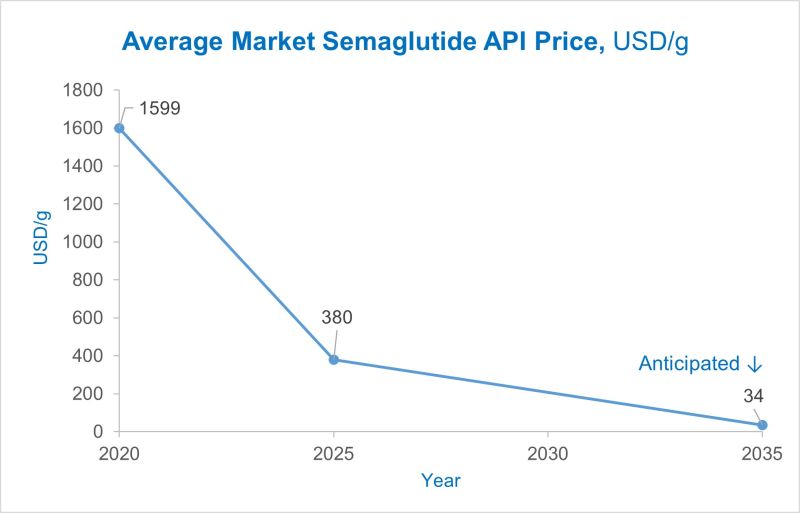
According to QYOBO https://lnkd.in/dydt9kJG, Semaglutide API prices have declined 𝟲𝟬–𝟳𝟲% since 2020, reaching a corridor of $𝟯𝟯𝟬–𝟰𝟯𝟬/𝗴 by early 2025. But even at $𝟯𝟴𝟬/𝗴, 𝗮 𝟭𝟰 𝗺𝗴 𝘁𝗮𝗯𝗹𝗲𝘁 would still require an API worth $5.32/tablet — far beyond the range of commercial feasibility in GCC.
Let’s analyze the viability using 𝗚𝗖𝗖 𝗺𝗮𝗿𝗸𝗲𝘁 𝗱𝗮𝘁𝗮 (source: Pi Pharma Intelligence https://lnkd.in/d5pqHTZD):

𝗣𝘂𝗯𝗹𝗶𝗰 𝗽𝗿𝗶𝗰𝗲𝘀 𝗳𝗼𝗿 𝗥𝘆𝗯𝗲𝗹𝘀𝘂𝘀 𝟭𝟰 𝗺𝗴 (𝟯𝟬’𝘀 𝗽𝗮𝗰𝗸):
· KSA: $4.06/tab
· UAE: $5.82/tab
· Qatar: $6.52/tab
· Kuwait: $4.61/tab
· Bahrain: $4.19/tab
· Oman: $4.87/tab
· Jordan: $4.96/tab

𝗔𝘀 𝗽𝗲𝗿 𝗦𝗙𝗗𝗔 𝗽𝗿𝗶𝗰𝗶𝗻𝗴 𝗿𝘂𝗹𝗲𝘀, the first generic in 𝗦𝗮𝘂𝗱𝗶 𝗔𝗿𝗮𝗯𝗶𝗮 would likely be listed at ~$𝟮.𝟴𝟰/𝘁𝗮𝗯 (70% of innovator price).

𝗘𝘀𝘁𝗶𝗺𝗮𝘁𝗲𝗱 𝗖𝗢𝗚𝗦 (𝗶𝗻𝗰𝗹𝘂𝗱𝗶𝗻𝗴 𝗳𝗼𝗿𝗺𝘂𝗹𝗮𝘁𝗶𝗼𝗻, 𝗰𝗼𝗻𝘃𝗲𝗿𝘀𝗶𝗼𝗻 & 𝗮𝗻𝗮𝗹𝘆𝘁𝗶𝗰𝗮𝗹):
~$𝟬.𝟲𝟬/𝘁𝗮𝗯, of which $𝟬.𝟰𝟴 would be the contribution from API.

Therefore, to make the economics work:
The Semaglutide (non-sterile) 𝗔𝗣𝗜 𝘀𝗵𝗼𝘂𝗹𝗱 𝗰𝗼𝘀𝘁 < $𝟯𝟰/𝗴 (𝗶.𝗲., < $𝟯𝟰,𝟮𝟴𝟲/𝗸𝗴).

𝗞𝗲𝘆 𝗜𝗻𝘀𝗶𝗴𝗵𝘁 𝗳𝗼𝗿 𝗚𝗲𝗻𝗲𝗿𝗶𝗰 𝗦𝘁𝗿𝗮𝘁𝗲𝗴𝘆 𝗧𝗲𝗮𝗺𝘀 𝘁𝗮𝗿𝗴𝗲𝘁𝗶𝗻𝗴 𝗚𝗖𝗖:
A viable oral semaglutide business case 𝗱𝗲𝗺𝗮𝗻𝗱𝘀 𝗔𝗣𝗜 𝗽𝗿𝗶𝗰𝗲𝘀 𝘁𝗼 𝗳𝗮𝗹𝗹 𝗯𝗲𝗹𝗼𝘄 $𝟯𝟰/𝗴 — a steep drop from current levels.

Until then, 𝗰𝗼𝗹𝗹𝗮𝗯𝗼𝗿𝗮𝘁𝗶𝗼𝗻, 𝗖𝗗𝗢 𝗶𝗻𝗻𝗼𝘃𝗮𝘁𝗶𝗼𝗻, and 𝗲𝗮𝗿𝗹𝘆 𝗹𝗶𝗰𝗲𝗻𝘀𝗶𝗻𝗴 could bridge the technical and economic challenges.
semaglutide api price.jpeg

In the real market, today is 2025/09/09, the recombinant api price is around $90/g. If DMF and WC required, the price is around $130/g.

A manufacturer quoted as below:
​India/Emerging Markets:​​ 95−105/gm min. Not recommended.
​US/EU:​​ Higher (patent premium).
​Canada:​​ Expected 120−140/gm.

Anyone need semaglutide, plz contact me.
Email address: haoran.tse@gmail.com
Tel: +86 18575536586